The Importance of High-Definition VGA Cable
Apr 15,2025

Although digital interfaces such as HDMI, DisplayPort, and USB-C dominate many modern consumer devices, VGA cables are still actively used in 2026 across multiple industries. From industrial automation systems and legacy business computers to educational projectors and medical equipment, VGA connectivity continues to serve important roles worldwide.
For businesses sourcing reliable connectivity solutions, choosing an experienced VGA cable manufacturer remains essential for ensuring signal stability, durability, and long-term compatibility.
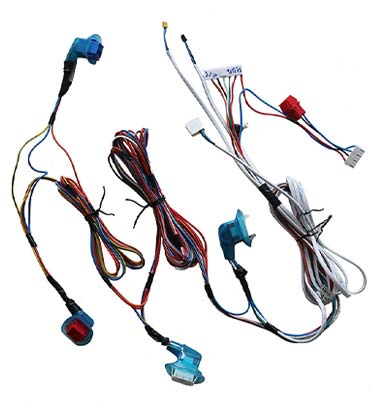
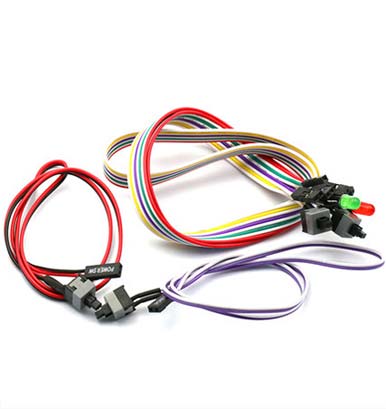
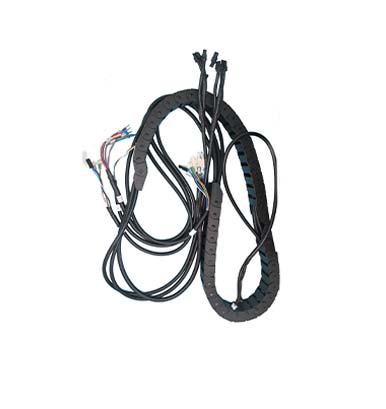
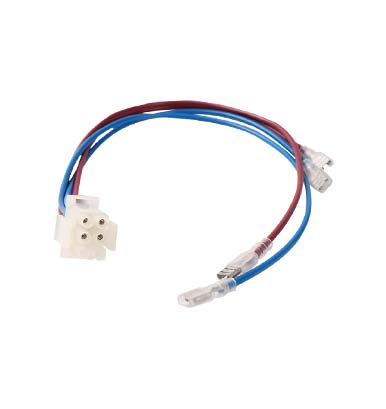
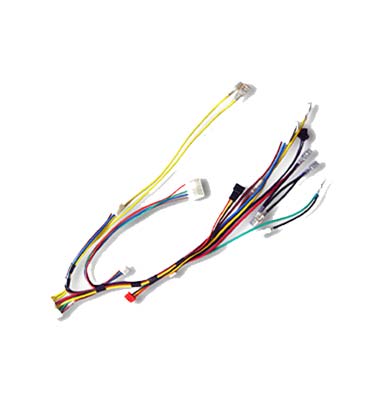
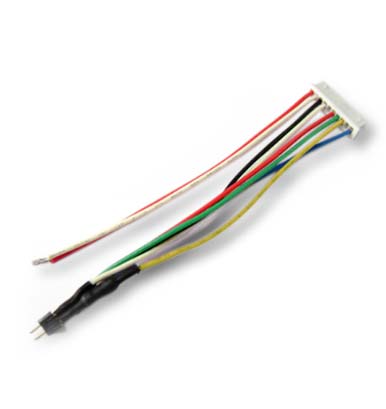
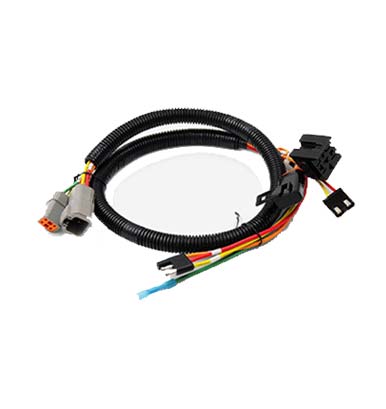
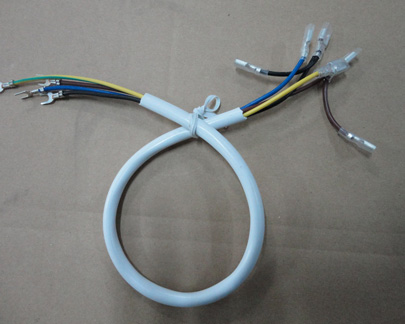
As a professional cable assembly supplier, Holly Electronics provides high-quality VGA cable products, OEM solutions, and custom cable harness services for industrial and commercial applications.
VGA (Video Graphics Array) was introduced by IBM in 1987 and remains one of the most widely recognized analog video interfaces in the world. Despite newer digital standards, VGA has not disappeared for several reasons.
Millions of devices still rely on VGA ports, including:
Industrial control systems
Factory automation equipment
Older desktop computers
Educational projectors
Medical imaging systems
Security monitoring equipment
According to market estimates from industrial electronics suppliers, many factories and institutions continue operating equipment with lifespans exceeding 10–15 years.
Replacing these systems entirely can be expensive, making VGA connectivity still highly practical.
Many industrial environments prioritize:
Stability
Compatibility
Low maintenance
Long equipment lifecycle
VGA remains suitable for these applications because it is:
Simple to deploy
Widely compatible
Cost-effective
Easy to troubleshoot
This is especially true in manufacturing and automation environments where older display systems remain operational.
Modern VGA cables can still support:
Resolution | Typical Support |
720p | Yes |
1080p Full HD | Yes |
1920×1200 | Often supported |
4K | Generally not recommended |
While VGA is analog and not ideal for ultra-high-definition content, it still performs adequately for office systems, monitoring equipment, and industrial displays.
Here's how VGA stacks up against today's dominant standards:
Feature | VGA | HDMI | DisplayPort |
Signal Type | Analog | Digital | Digital |
Max Resolution (Common) | 1080p @ 60Hz | 4K @ 60Hz (higher with 2.1) | 8K @ 60Hz, higher refresh |
Audio Support | No | Yes | Yes |
Cable Length (Reliable) | Excellent (up to 50+ ft) | Good (with active cables) | Good |
Cost | Low | Low-Medium | Medium |
Best For | Legacy projectors & monitors | Consumer AV, TVs | High-end monitors & gaming |
Interference Susceptibility | Higher | Low | Low |
Data insights: HDMI and DisplayPort support far higher resolutions and features, but VGA excels in long runs without signal boosters and remains unmatched for certain older hardware.
Factories and industrial control systems often continue using VGA-compatible HMIs (Human Machine Interfaces) and monitoring systems.
Many schools and universities still use VGA projectors and classroom presentation systems.
Certain medical systems and diagnostic displays continue relying on VGA-based hardware for compatibility and certification reasons.
Older CCTV and monitoring systems commonly use VGA display outputs.
Long replacement cycles in public infrastructure and enterprise IT environments contribute to continued VGA usage.
Not all VGA cables deliver the same signal quality. Choosing a reliable VGA cable manufacturer is critical for minimizing interference and signal degradation.
Shielding Protection
High-quality shielding reduces electromagnetic interference (EMI).
Ferrite Cores
Ferrite beads help suppress high-frequency noise.
Gold-Plated Connectors
These improve corrosion resistance and connection stability.
High-Purity Copper Conductors
Better conductors reduce signal loss over longer distances.
Molded Strain Relief
Improves durability during repeated installation and movement.
Holly Electronics manufactures VGA cables with strict quality control standards for stable long-term performance.
Cable length significantly affects analog signal quality.
Cable Length | Signal Quality |
1–5 meters | Excellent |
5–15 meters | Good |
15–30 meters | May require shielding/amplification |
30m+ | Signal degradation likely |
For long-distance installations, professional-grade shielded cables or VGA extenders are recommended.
No — VGA cables are not completely obsolete in 2026.
Instead, they have shifted from mainstream consumer electronics toward:
Industrial systems
Legacy infrastructure
Commercial installations
Specialized equipment
While modern laptops and gaming systems rarely include VGA ports, industries with long equipment lifecycles still depend on VGA connectivity.
This is why many businesses continue sourcing products from professional VGA cable wholesale suppliers.
Many industrial customers now require specialized integration solutions instead of standard off-the-shelf cables.
This has increased demand for:
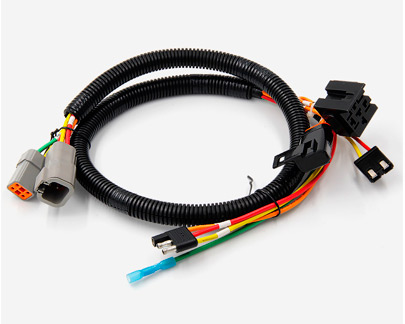
Custom cable harness assemblies
OEM VGA cable solutions
Hybrid connectivity systems
Industrial-grade cable assemblies
As an experienced supplier, Holly Electronics supports OEM and custom cable harness projects for industrial and commercial applications worldwide.
When selecting a supplier, consider the following:
Evaluation Factor | Why It Matters |
Manufacturing Experience | Ensures consistent quality |
OEM Capability | Supports custom projects |
Quality Certifications | Improves reliability |
Shielding Technology | Reduces interference |
Production Capacity | Supports wholesale orders |
Engineering Support | Helps with custom cable harness solutions |
A professional VGA cable manufacturer should provide both technical expertise and scalable production capability.
Many organizations continue purchasing VGA cables in bulk because:
Existing infrastructure remains operational
Replacement costs are high
VGA equipment still performs reliably
Industrial systems prioritize compatibility over modernization
For these customers, dependable VGA cable wholesale supply remains essential.
1. Are VGA cables still manufactured in 2026?
Yes. Many manufacturers still produce VGA cables for industrial, educational, medical, and legacy commercial systems.
2. Can VGA support 1080p resolution?
Yes. High-quality VGA cables can typically support Full HD 1080p resolution under proper conditions.
3. Why do industrial systems still use VGA?
Industrial equipment often has long operational lifecycles and prioritizes reliability and compatibility over adopting newer interfaces.
4. Does VGA transmit audio?
No. VGA only carries video signals. Separate audio cables are required.
5. What is the maximum recommended VGA cable length?
For best signal quality, VGA cables are generally recommended within 5–15 meters unless additional amplification or shielding is used.
6. How do I choose the right VGA cable manufacturer?
Choose suppliers with OEM capability, quality certifications, shielding expertise, and experience producing industrial-grade cable assemblies.
Although HDMI, DisplayPort, and USB-C dominate consumer electronics, VGA cables continue serving important roles in industrial, educational, medical, and legacy commercial systems in 2026.
Their affordability, compatibility, and long-established infrastructure ensure ongoing demand worldwide.
For businesses requiring dependable connectivity solutions, partnering with an experienced VGA cable manufacturer is critical for ensuring stable performance and long-term reliability.
As a trusted supplier of VGA cable products, Holly Electronics provides high-quality cable assemblies, OEM manufacturing, VGA cable wholesale support, and professional custom cable harness solutions for global customers.