Ice Cream Dreams: Refrigerator Harness in Industrial Ice Cream Machines
Nov 19,2023

In the rapid development of modern automation and robotics technology, robot wire harnesses play a crucial role. Whether in industrial production lines, medical robots, or service robots, cable bundles serve as channels for power and signal transmission, ensuring the efficient operation of various robot systems. This article will introduce you to the basics of robot cable bundles, discussing their functions, composition, and significance in robotics technology.
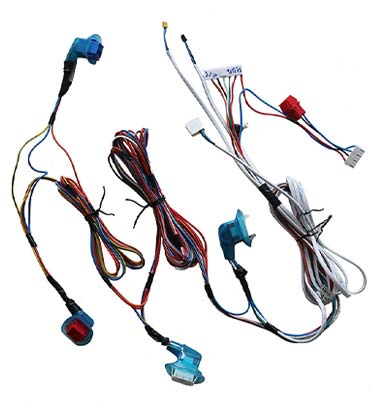
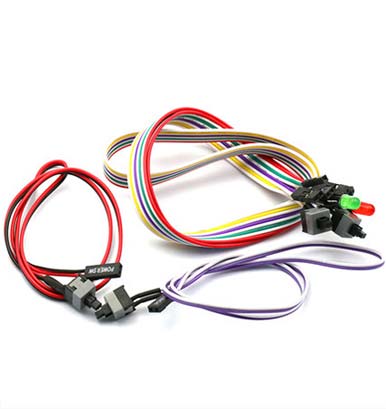
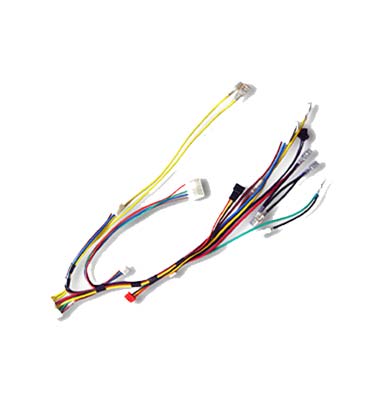
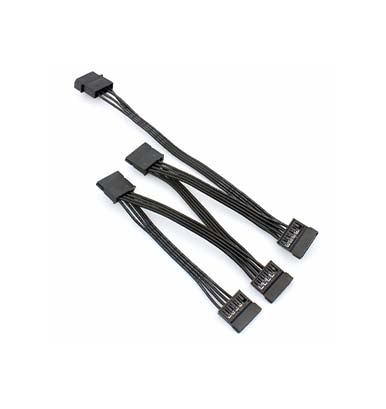
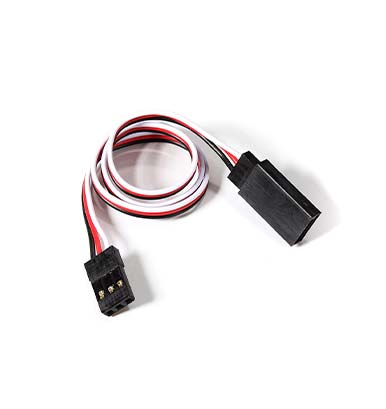
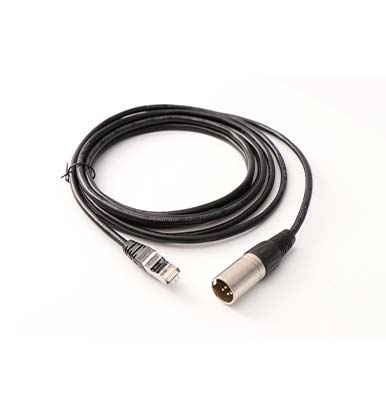
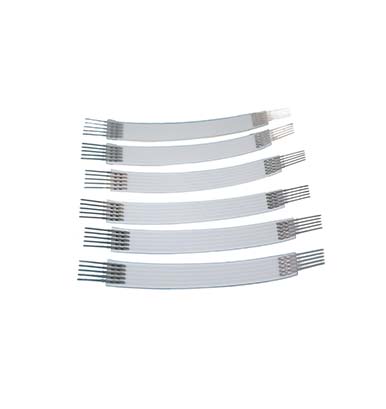
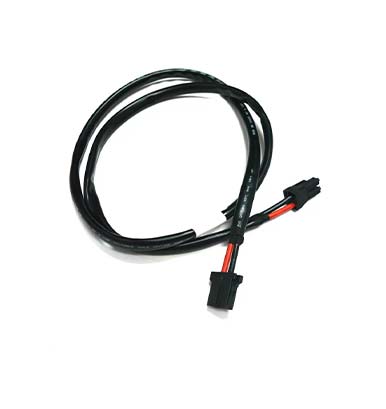
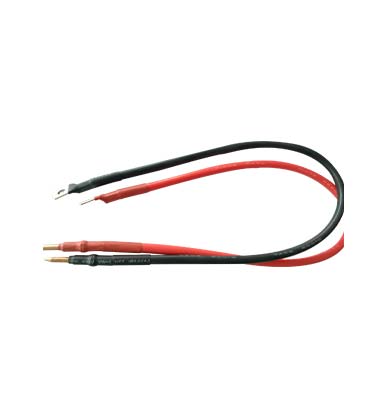
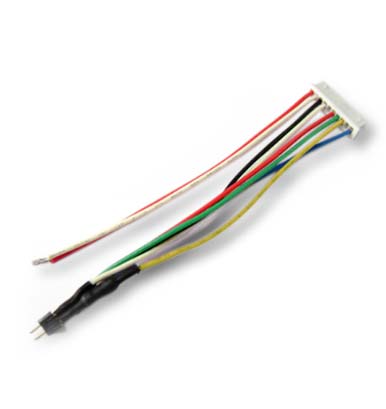
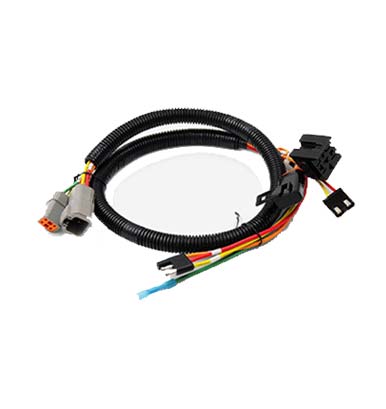
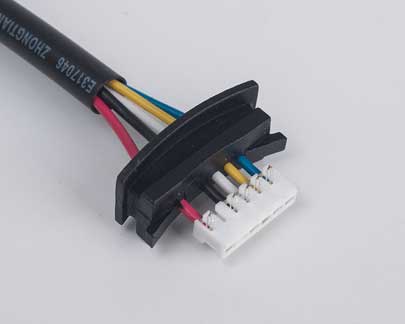
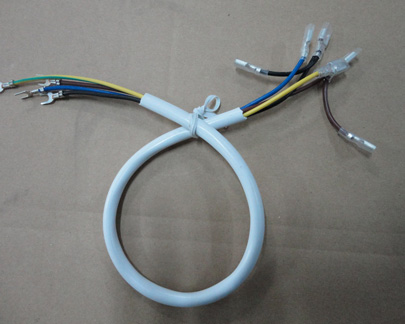
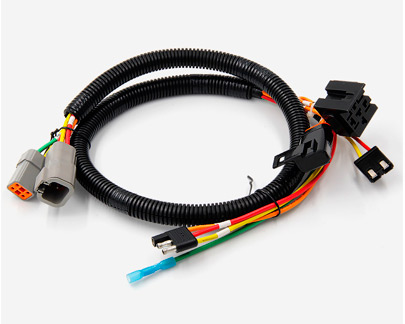
Cables and Wires: This is the core part of the cable bundle, usually comprising multiple wires, each potentially serving a different function. Power cables provide electrical energy, while signal cables transmit control signals or data, ensuring the robot's movement and response. Depending on the robot's functions, the cables may need to be interference-resistant, high-temperature resistant, wear-resistant, and flexible.
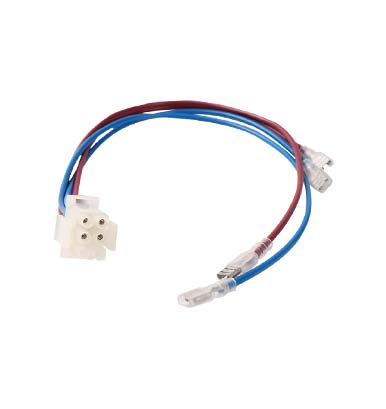
Connectors and Joints: These components are responsible for the connection and disconnection between cables, ensuring the stability of power and signal transmission. In robotic movements, the connectors need to withstand constant motion and vibration while maintaining good contact.
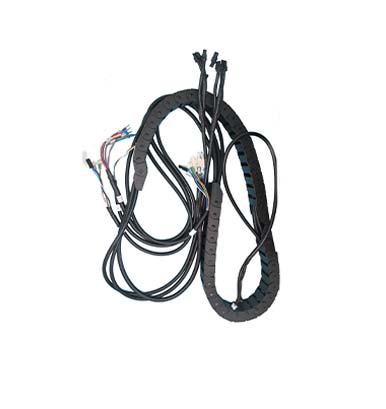
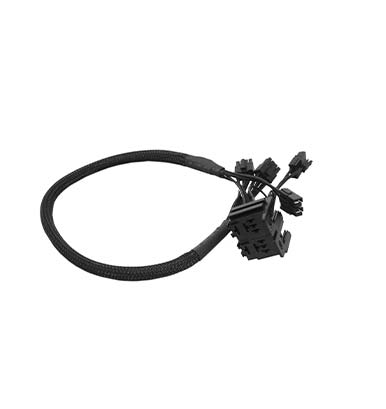
Protective Layers and Sleeves: The exterior of the cable bundle usually has a protective material layer to prevent the cables from mechanical damage, temperature changes, or environmental contamination. These protective layers are generally made of heat-resistant, oil-resistant, and corrosion-resistant materials, especially crucial in industrial robots and harsh environments.
Bundling and Mounting: To keep the cable bundle neat and avoid cable twisting or stretching, it is usually fixed with ties or brackets. These fixtures help reduce cable wear and optimize space utilization in robot design.
Electrical Connection and Signal Transmission
The robot wire harness is the main connecting channel between various electrical components inside the robot. It ensures the stability of power supply, signal transmission, and data exchange, guaranteeing the coordinated operation of different parts of the robot to achieve precise control and movement.
Dynamic Performance and Flexibility
Unlike static cables, robot cable bundles need to adapt to the dynamic working environment of robots. As robots move, the cable bundle must endure bending, twisting, and stretching stresses. Therefore, the design of the cable bundle must consider these factors to maintain stability during prolonged movement.
Protection and Durability
Robots often work in harsh environments, especially in industrial production lines or extreme settings. The protective design of the cable bundle (such as high-temperature resistance, corrosion resistance, and wear resistance) is crucial to ensure it does not fail or get damaged over long-term use.
Optimized Space Utilization
In some compact robot designs, the compactness and neatness of the cable bundle are particularly important. Reasonable wiring and fixation can optimize the internal space of the robot, creating more room for other critical components while avoiding cable interference.
Although robot cable bundles play a key role in modern robots, as the complexity of robots continues to increase, the design and manufacturing of cable bundles also face some challenges:
Adapting to Higher Flexibility Requirements: With the increasing range and complexity of robotic movements, cable bundles need higher flexibility and durability to cope with more frequent and intense movements.
Lightweight Design: For some small robots, the weight and volume of the cable bundle must be minimized to avoid affecting the robot's performance. Therefore, material selection and design optimization are essential future directions.
Intelligent and Integrated: Future robot wire harnesses may combine sensors and data collection functions to achieve self-monitoring and fault warning, further enhancing the safety and reliability of robots.
The robot cable bundle is a key component for achieving precise control and efficient operation in robots. With the continuous advancement of robotics technology, the design and manufacturing of cable bundles will also develop toward higher flexibility, intelligence, and efficiency. Whether in industrial production, the medical field, or service robots, the role of cable bundles will be irreplaceable, driving the continuous evolution of automation technology.