Freshness Preserved: The Impact of Refrigerator Harness in Grocery Store Refrigerators
Nov 13,2023

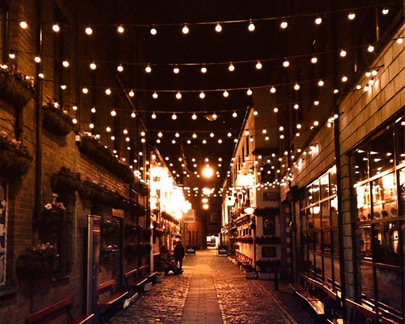
In modern urban infrastructure, street lighting systems not only provide nighttime illumination but also relate to traffic safety and the image of the city. The stable operation of streetlights is supported by a key component - cable used for street lighting.
The street light cable usually refer to cables specially used in outdoor lighting systems, connecting transformers, switch boxes to the power of each lamp post. These cables need to be exposed to the external environment for a long time, so they must have excellent weather resistance, durability, and safety performance. Common types of streetlight cables include low-voltage power cables (such as 0.6/1kV grade cables), water-resistant cables, armored cables, and more.
Streetlight cables are exposed to natural environments such as sunlight, rain, snow, and wind all year round. Therefore, the sheath of the cable usually uses high-density polyethylene (HDPE) or cross-linked polyethylene (XLPE) materials, which have good UV resistance, resistance to high and low temperature changes, and moisture-heat resistance. Even under extreme climate conditions, they can maintain stable operation, with a service life of over 20 years.
During installation, streetlight cables need to have good tensile, compressive, and impact resistance. Especially when buried underground, the outer sheath of the cable can effectively resist external pressure and sharp objects, preventing short circuits or power outages caused by external damage.
Streetlight cables are usually designed with low resistance and high conductivity, using high-purity copper or aluminum conductors to ensure low voltage drop and low energy consumption during power transmission. At the same time, their insulation layers have excellent voltage resistance performance, effectively preventing leakage and breakdown, thereby improving the overall safety of the system.
Streetlight cables often need to be buried underground or pass through moist environments, so they must have good waterproof and moisture-proof capabilities. Some high-end cable models also adopt double-layer sheath structures or add metal armor layers, not only preventing moisture intrusion but also effectively resisting corrosion from underground chemicals (such as acidic or alkaline soils).
High-quality streetlight cables can significantly reduce the failure rate, minimizing power outages caused by cable aging or damage, ensuring the continuous and stable operation of urban streetlights throughout the year, especially guaranteeing the safety of citizens during important holidays and in rainy or snowy weather.
Durable and reliable cables mean longer maintenance cycles and lower failure rates, which significantly reduces the frequency and cost of subsequent inspections and replacements, lowering overall operational costs.
The design of low resistance and high conductivity reduces energy loss during long-distance transmission, helping the entire lighting system achieve energy-saving and consumption reduction, in line with the current development trend of green cities and smart lighting.
High-standard insulation and sheath materials not only provide effective fire and explosion protection but also comply with RoHS and other environmental standards, reducing the use of harmful substances, protecting the environment, while also offering stronger guarantees for electrical safety.
Streetlight cables are widely used in urban roads, highways, public squares, garden landscapes, residential roadways, bridges, tunnels, and other lighting systems, being an indispensable part of urban infrastructure construction.
With the continuous acceleration of urbanization, people's demands for nighttime travel environments are continuously increasing. High-quality streetlight cables provide strong guarantees for the stable operation of urban nighttime lighting systems with their durability, safety, and energy-saving characteristics. In the future, with the development of new materials and intelligent technologies, streetlight cables will evolve towards higher performance and smarter directions, contributing more to the construction of smart cities and green cities.